


Give your child another way into reading
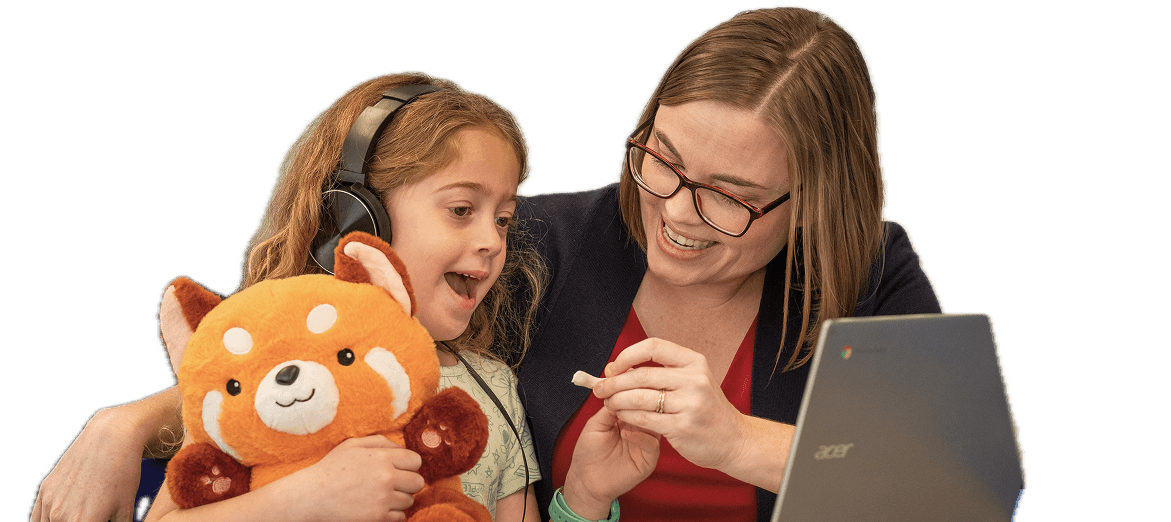
Every child learns differently—and sometimes more practice isn’t the same as another way to learn. BrainScience Works makes foundational literacy active, visual, and hands-on, helping children build meaningful connections between letters, sounds, words, and meaning. It’s science-based literacy support you can bring home to help learning click.
The BrainScience Works Literacy difference
BrainScience Works brings together structured literacy instruction, hands-on learning, and clear progress insights in one connected experience. Parents can feel confident that their child is working through purposeful lessons designed to build foundational skills step by step—not simply completing more worksheets, games, or screen time.
Why families choose BrainScience Works
Give your child another way in — Visual-spatial, multisensory learning offers another pathway for children who may need something different to connect with foundational literacy.
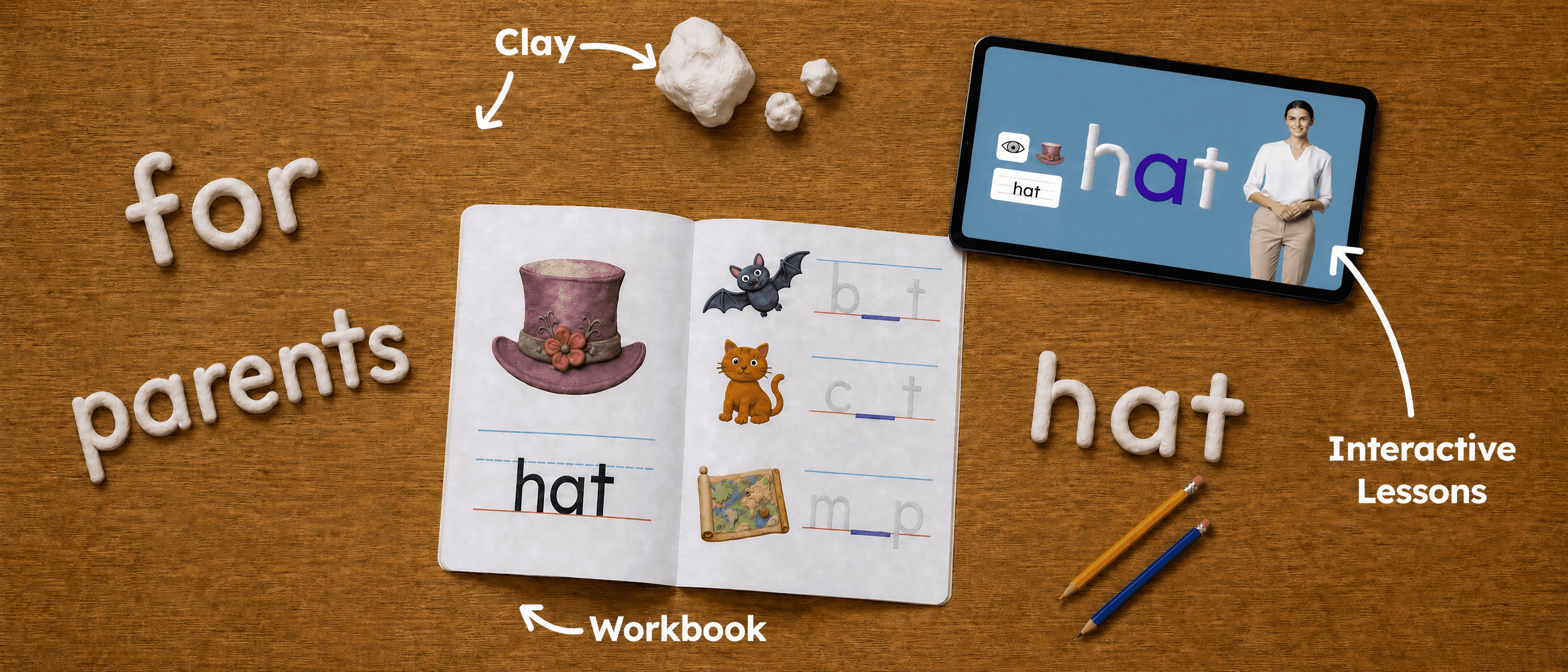
Put learning in their hands — Children don’t just watch or click. They say, build, see, and write what they are learning, turning abstract literacy skills into experiences they can interact with.
Build skills from the foundation up — Structured lessons help children strengthen essential connections between letters, sounds, and words as they progress through the program.
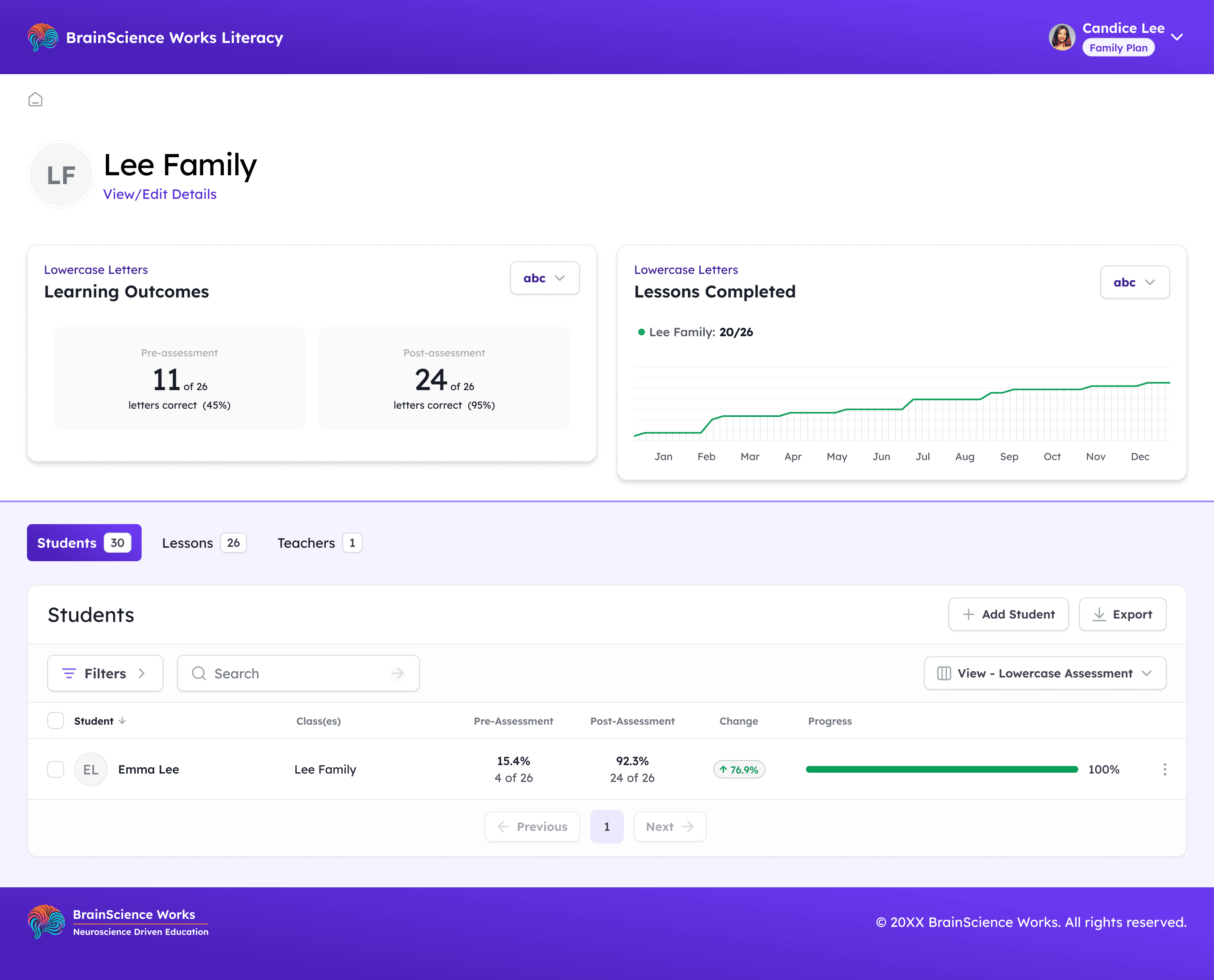
Know how your child Is progressing — Clear progress information helps you see what your child has learned, where they are growing, and where more practice may be helpful.
See learning take shape
BrainScience Works uses a structured, multisensory approach that helps children experience literacy from more than one direction. By seeing, building, saying, and writing what they are learning, children form connections between what a letter or word looks like, sounds like, feels like, and means—making foundational literacy more active, tangible, and memorable.

What your child does
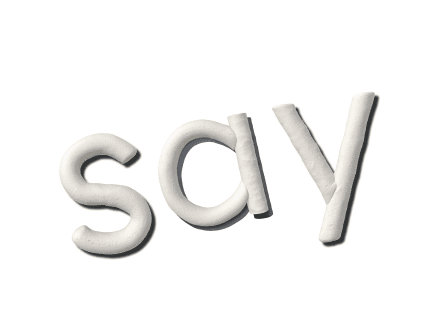
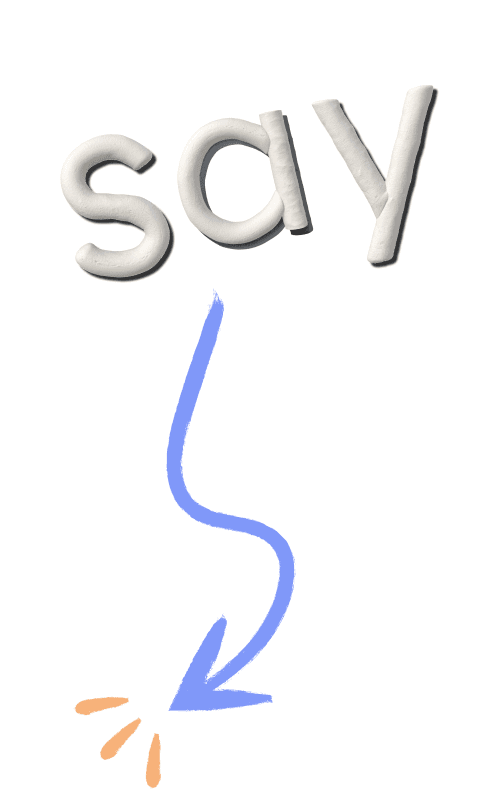
Depending on the lesson, your child may say a letter name, produce its sound, blend sounds together, or read a whole word aloud.
Why they do it
Saying what they are learning connects written symbols with spoken language and makes the learning active. Hearing themselves produce the correct letter, sound, or word adds another connection for memory.
See what's clicking
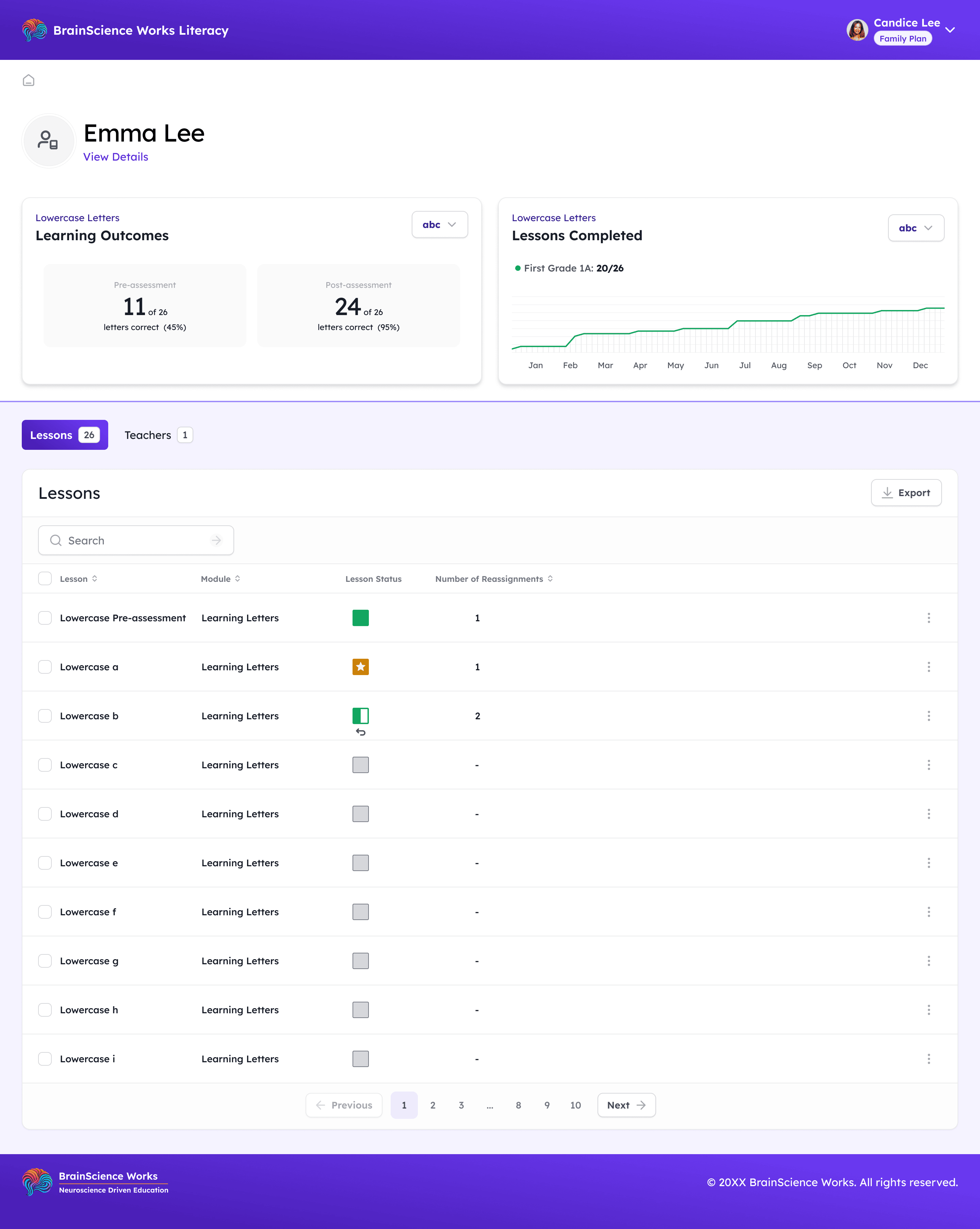
You shouldn’t have to guess whether practice is making a difference. BrainScience Works gives you clear information about your child’s lesson progress and skill development, helping you celebrate growth while seeing where additional practice may be useful.
See progress at a glance
Easy-to-read visuals help you quickly understand how your child is progressing through the program.
Follow their learning journey
See lesson progress and skill development together so you know what your child has worked on and what comes next.
Make growth visible
Pre- and post-assessment results help show how your child’s foundational skills change over time.
Know where more practice can help
Progress information can help you recognize skills your child is developing confidently and areas where another opportunity to practice may be valuable.



Built on more than a good idea
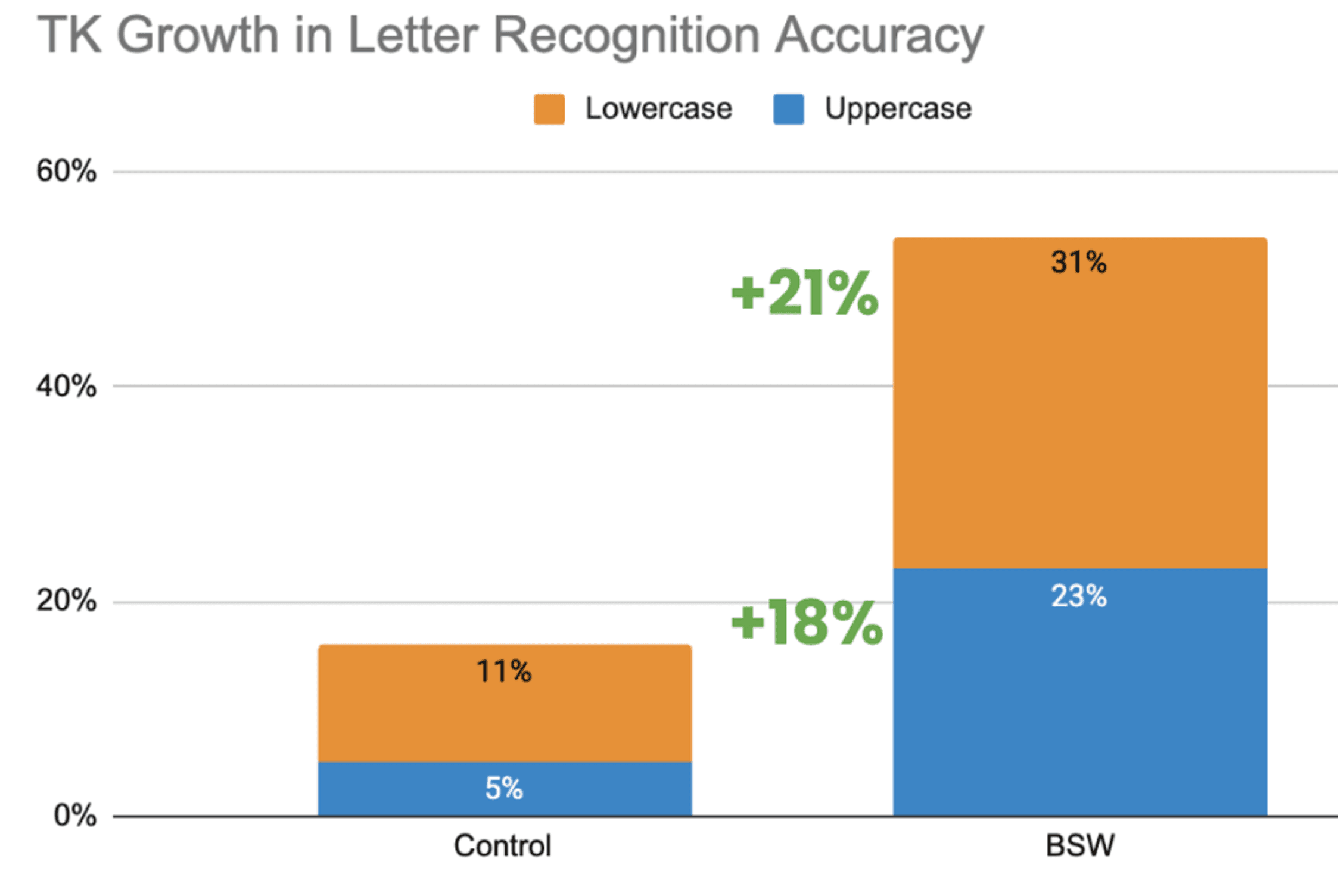
BrainScience Works is grounded in research on how children learn and is building an evidence base in real classrooms. An independent 2025 study designed to meet federal ESSA standards found a statistically significant positive relationship between greater BrainScience Works use and letter-recognition outcomes among K–2 students, earning the program ESSA Level III: Promising Evidence.
And we continue to learn from every implementation. In subsequent pilot data, students using BrainScience Works showed encouraging gains across foundational literacy measures—including alphabetic knowledge, letter recognition, letter sounds, and literacy engagement—adding to our understanding of how hands-on, visual-spatial learning can support developing readers.


See learning take shape
Testimonials

I loved using the multisensory aspect of your program. My girls love the clay and workbook.
Homeschool Parent
Ohio
Frequently asked questions
You have questions, we have answers.
Spark literacy growth
Get fresh ideas for helping stronger readers take shape.